
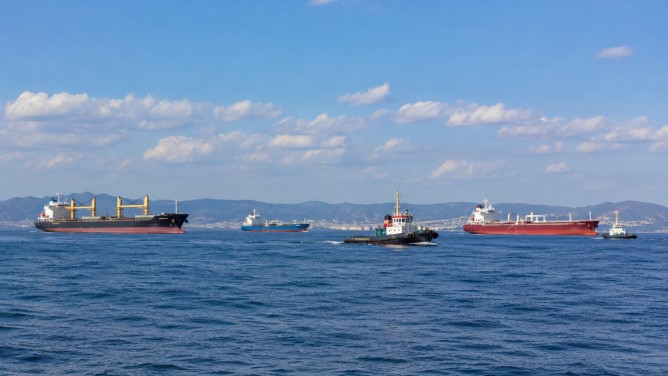
Saudi Arabia has condemned an attack by Iran on a Saudi-flagged tanker in the Strait of Hormuz, resulting in the deaths of two Filipino crew members. The incident occurred late Monday when the tanker Sidra was struck while navigating through the critical waterway. In response, Saudi Arabia’s Foreign Ministry has called for a rapid de-escalation of tensions and urged adherence to international law, emphasizing the need for all parties involved to return to negotiations and pursue peaceful resolutions.
This attack has intensified an already volatile situation marked by recent military exchanges between the United States and Iran. In retaliation for the strike on the tanker, US forces launched operations targeting Iranian military infrastructure, including air-defense systems, radar facilities, and maritime assets. These actions were aimed at curbing Iran’s military capabilities in the region.
Subsequently, Iran escalated the conflict by launching its own attacks against US military installations in several Middle Eastern countries, including Bahrain, Jordan, Kuwait, Iraq, and the UAE. Iranian officials stated that these measures were intended to exert pressure on the United States to withdraw its military presence from the region, highlighting the growing tension between the two nations.
The escalating conflict has heightened concerns over the security of commercial shipping and energy supplies passing through the Strait of Hormuz, a key transit route for global oil shipments. This strategic chokepoint is crucial to maintaining the stability of international energy markets, and any disruption could have significant consequences worldwide.
Amidst these developments, the United States has called on countries and businesses that maintain economic ties with Iran to refrain from supporting Tehran. Washington aims to intensify pressure on Iran to bring an end to the conflict, emphasizing the importance of diplomatic efforts in resolving the ongoing tensions.