
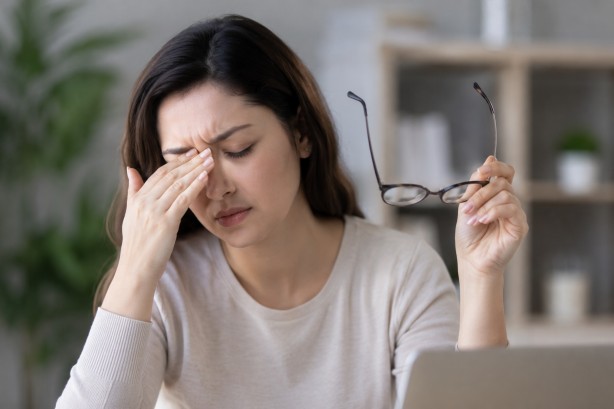
Dry, itchy, or burning eyes are often attributed to fatigue, lack of sleep, or prolonged screen time, but if these symptoms persist, they might indicate dry eye disease. This condition can significantly impact comfort, vision, and daily activities. Women, in particular, may be more susceptible due to hormonal changes, aging, screen exposure, and certain health conditions.
The eyes are safeguarded by the tear film, a thin layer of tears that lubricates the eye surface, protects against irritation and infection, and ensures clear vision. Dry eye disease occurs when the eyes fail to produce enough tears or when tears evaporate too quickly, leading to irritation and symptoms like burning, redness, discomfort, and blurred vision. Counterintuitively, excessively watery eyes can also be a symptom, as irritation may prompt the eyes to produce reflex tears, which don’t offer the same lubrication as a healthy tear film.
Hormonal changes throughout a woman’s life, including pregnancy, breastfeeding, perimenopause, and menopause, can affect tear production and the glands responsible for the oily layer of tears, increasing the risk of dry eye disease. Aging also plays a role as it alters natural tear production. Lifestyle factors, such as extensive time spent on digital devices, can exacerbate the problem by reducing the frequency of blinking, which is essential for spreading tears evenly across the eye surface.
Several health conditions such as diabetes, thyroid disorders, rheumatoid arthritis, lupus, and autoimmune diseases may heighten the risk of dry eye symptoms. Certain medications, including antihistamines, antidepressants, blood pressure drugs, and hormonal treatments, can also impact tear production or worsen dryness. Environmental factors like air conditioning, windy weather, dust, and prolonged screen use can further irritate the eyes.
Common symptoms of dry eye disease include burning or stinging, redness, a gritty sensation, excessive watering, light sensitivity, eye fatigue during reading or screen use, blurred vision, and difficulty wearing contact lenses. These symptoms tend to be more noticeable after long screen sessions, poor sleep, or exposure to dry, windy, or air-conditioned settings. Adopting habits like the 20-20-20 rule, regular blinking, managing environmental conditions, staying hydrated, getting adequate sleep, and maintaining a balanced diet can alleviate discomfort. However, if symptoms persist despite these changes, consulting an eye specialist is recommended for a thorough assessment and appropriate treatment options such as lubricating eye drops, warm compresses, eyelid care, or other therapies. Early intervention can prevent ongoing discomfort and make daily activities more comfortable.